A good dish does not sell itself. If the name is unfamiliar, the menu fails to explain its value and the marketing assumes customers already understand the product, even excellent food can be overlooked. Tantuni is one example, but the same problem appears on menus throughout the restaurant industry.
Customers do not buy the flavour that the kitchen knows is on the plate. They buy the expectation created by the name, description, price, image and staff before they place an order.
If that expectation is unclear, many will choose the familiar alternative.
This is one of the most underestimated reasons why a strong dish may sell poorly. The problem need not be the recipe, price or target audience. The product may simply be almost invisible at the moment the customer has to choose.
Tantuni illustrates a much wider problem
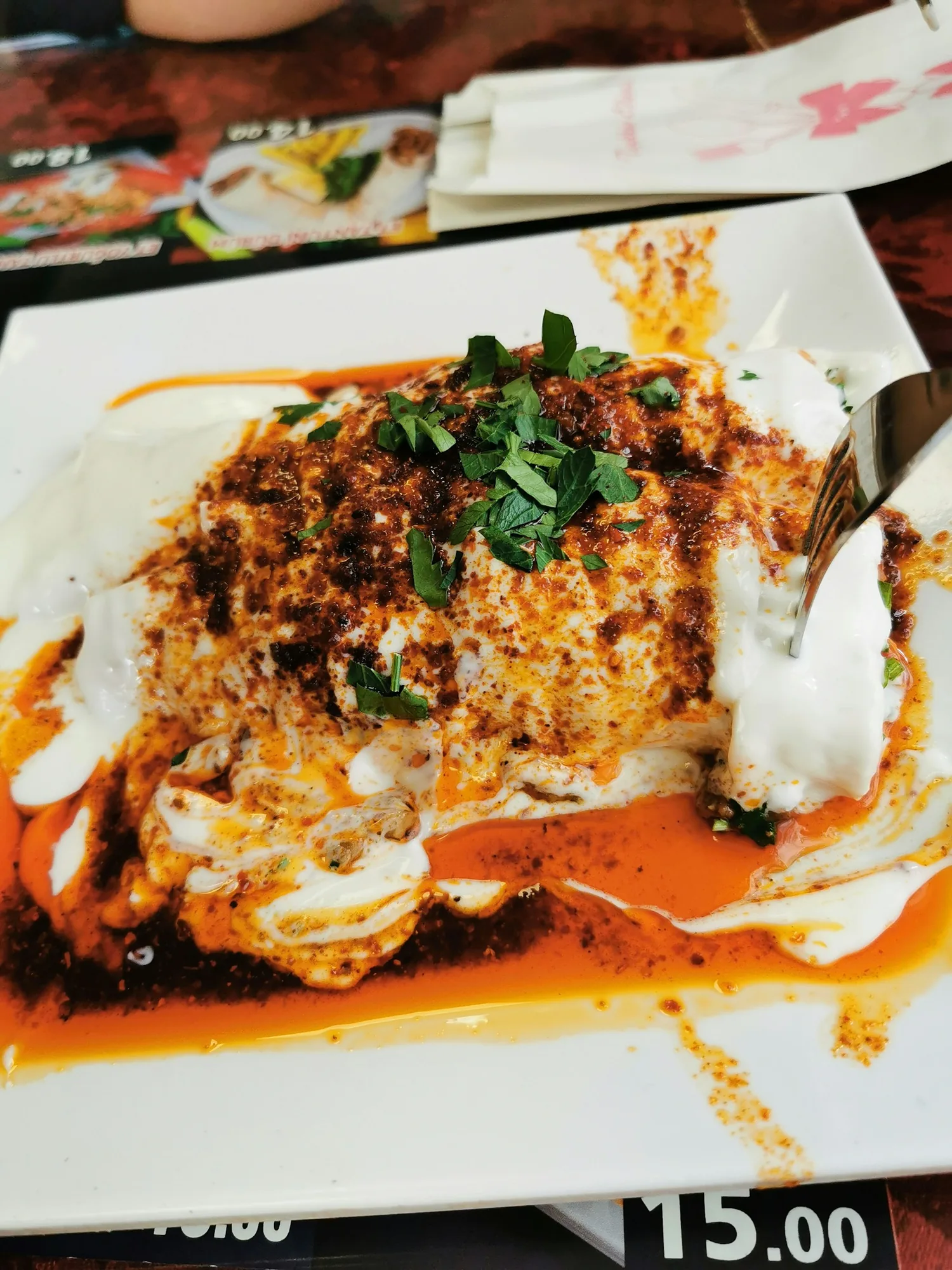
Tantuni is a regional dish from Mersin in southern Turkey. Small pieces of beef are cooked and finished on a hot metal pan with fat, seasoning and steam. The lavaş bread is pressed against the pan to absorb the meat juices before the dish is assembled with ingredients including lemon, sumac, onion, tomato and parsley.
It is a dish with:
- A distinctive cooking method
- A strong balance of richness, acidity, heat and fresh herbs
- Fast service
- Visible craftsmanship
- A familiar handheld format
Yet the word tantuni conveys none of this to someone who does not know the dish.
The official source explains: The Turkish registration for Mersin Tantunisi describes the ingredients, the special pan, the steam and the bread's contact with the meat juices. The product therefore has a strong story. The problem is that this story is rarely apparent from the name itself.
An unfamiliar name creates risk at the point of purchase
Imagine a menu containing these two lines:
Tantuni - DKK 125
Yoğurtlu tantuni - DKK 155
A first-time customer does not know:
- Whether it is a wrap, a plated dish or a stew
- Which meat it contains
- How it differs from döner or shawarma
- What the yoghurt version adds
- Why the more expensive version costs more
- Which version to choose the first time
The restaurant may have spent months developing the product, yet it asks the customer to decide without the most basic information.
When the customer is hungry and the queue is moving, the familiar product feels like the safe choice. The anonymous dish does not necessarily lose the sale because it is less appealing. It loses because choosing it requires more mental effort.
A study of unfamiliar dishes found: Researchers have examined how cultural familiarity and verbal and visual framing on the menu affect customers' perceived risk and willingness to try ethnic food. The lesson for restaurants is simple: the information surrounding a dish can make an unfamiliar option easier to choose.
The original name does not have to disappear
The obvious response is to replace tantuni with ‘beef wrap’. That makes the product understandable, but it can also remove the identity that should make the dish more interesting than the next wrap down the street.
There are therefore two opposing risks:
Original name only: The dish is authentic but incomprehensible.
Generic name only: The dish is understandable but sounds like something the customer already knows.
The strongest solution may be a two-tier name:
Tantuni
Pan-finished beef in warm lavaş with lemon, sumac, parsley, onion and tomato.
Or put the familiar description first:
Pan-fried beef wrap
Mersin tantuni with lemon, sumac and fresh herbs.
Both approaches make the dish understandable while preserving the possibility that tantuni will eventually become a category customers ask for by name.
Research adds nuance to the naming decision: A study in the International Journal of Hospitality Management found that distinctive names and stories about a dish's origins can strengthen perceived authenticity and influence purchase intention. The answer, therefore, is not to make every unfamiliar dish generic. The original name needs to work alongside a clear explanation.
The menu must sell the difference
A description should not be an ingredient list disguised as prose. It should answer the questions that determine the purchase:
- What is it? Format and main ingredient
- What does it taste like? The main flavour cues
- What makes it different? Technique, origin or style of serving
- Who is it for? For example, mild, spicy, light or filling
- Why is there a more expensive version? More meat, yoghurt, accompaniments or a larger portion
For tantuni, ‘beef, onion and tomato’ is not enough. What makes it special is the pan finish, the bread's contact with the meat juices and the balance between lemon, sumac, parsley and richness.
That difference must appear where the customer makes the choice, not be buried in a long piece of website copy.
A classic Cornell study found: Descriptive menu names used sparingly and appropriately could improve both sales and customers' evaluations after the meal. It is an older field study and does not guarantee the same effect in every restaurant, but it supports the idea that menu wording is part of the product.
Marketing must show what the name cannot
An unfamiliar product needs more than a photograph of the finished dish.
Tantuni naturally offers strong marketing material:
- The meat being finished on the hot pan
- The steam as liquid hits the surface
- The bread being pressed into the meat juices
- Lemon, sumac and parsley providing a fresh contrast
- The difference between the classic and yoghurt-based versions
In a matter of seconds, a short video can show why this is not simply another kebab wrap. But the video still needs an explanation. Without text, narration or a clear product description, customers merely see meat on a pan.
The restaurant's marketing should repeat three simple messages:
What the dish is
What makes it different
Which version a first-time customer should choose
The same message should appear on the frontage, menu, Google Business Profile, website, delivery platform and social media. If each channel describes the product differently - or not at all - the dish will remain anonymous.
Test the name instead of debating it
The restaurant does not have to guess which wording works best. It can test two versions of the menu over comparable periods:
Version A: Original name first
Tantuni
Pan-finished beef in warm lavaş with lemon, sumac and fresh herbs.
Version B: Product first
Pan-fried beef wrap
Original Mersin tantuni with lemon, sumac and parsley.
Then measure:
- The proportion of customers who choose the dish
- How many ask what it is
- Which version first-time customers choose
- Whether staff spend less time explaining it
- Whether customers remember the word tantuni after their visit
- Whether the product generates repeat purchases, not merely trial purchases
Change one thing at a time. If the name, price, image and position all change at once, the restaurant will not know what created the effect.
Tantuni is only the example
The same problem affects regional dishes, internal nicknames and chefs' creative titles in every type of restaurant.
If the customer cannot form an expectation, the dish has no clear value at the point of purchase, regardless of how good it tastes afterwards.
Review every less familiar item on the menu:
- Can a new customer understand the format?
- Is the main ingredient clear?
- Is the defining flavour or technique apparent?
- Is the difference from a familiar alternative explained?
- Is the description specific enough to create desire?
- Does the name still preserve the restaurant's identity?
Conclusion: Good food must be translated before it can be sold
The challenge with tantuni is not necessarily that the name is poor. It is that the name often stands alone.
A restaurant can have an excellent product, an interesting story and visible craftsmanship, yet still lose the sale if customers cannot understand the value within seconds.
The aim is not to make every dish generic. It is to bridge the gap between the kitchen's knowledge and the customer's decision: preserve the identity, explain the product clearly, show the difference and test what actually persuades more people to choose the dish.