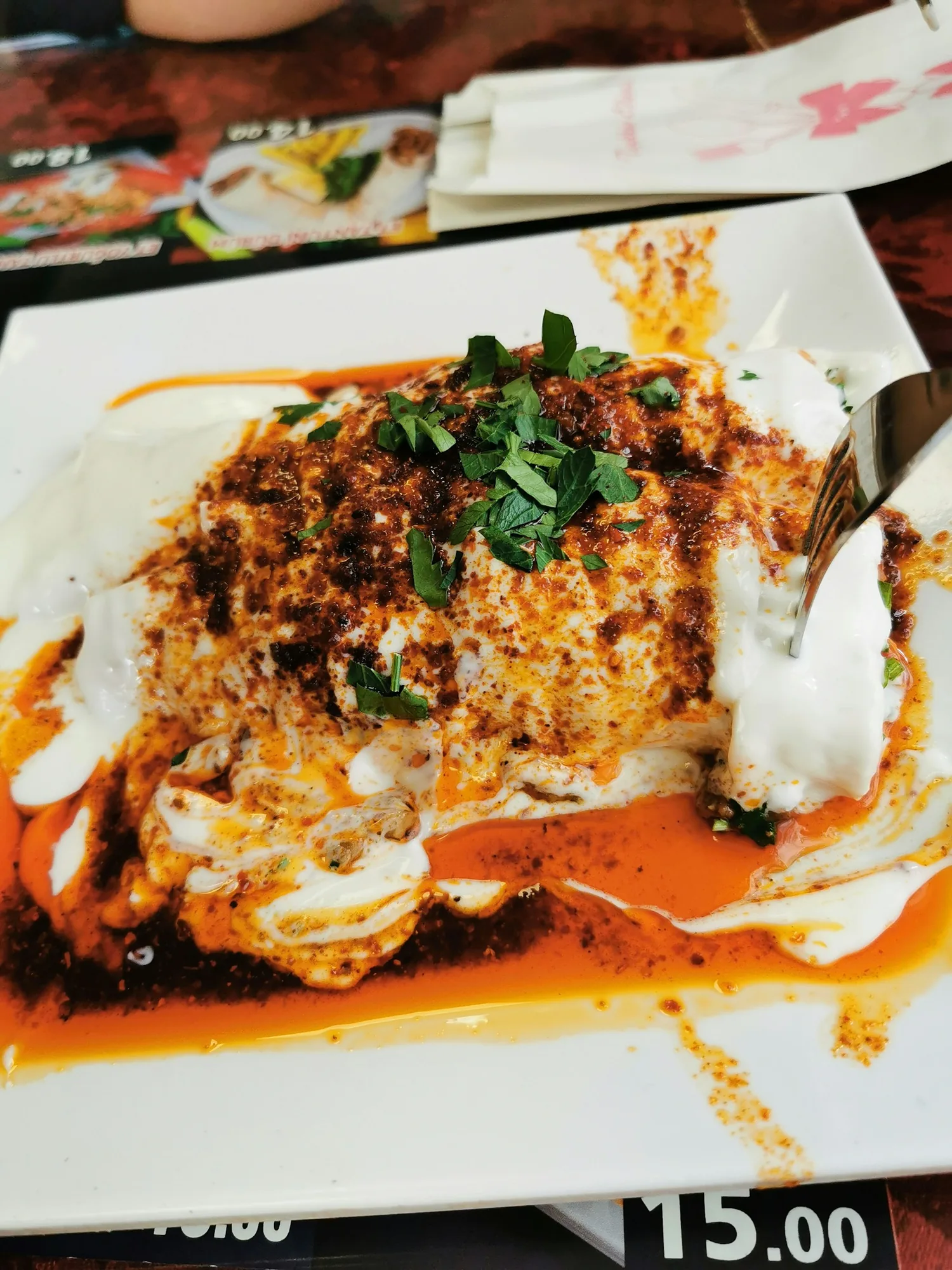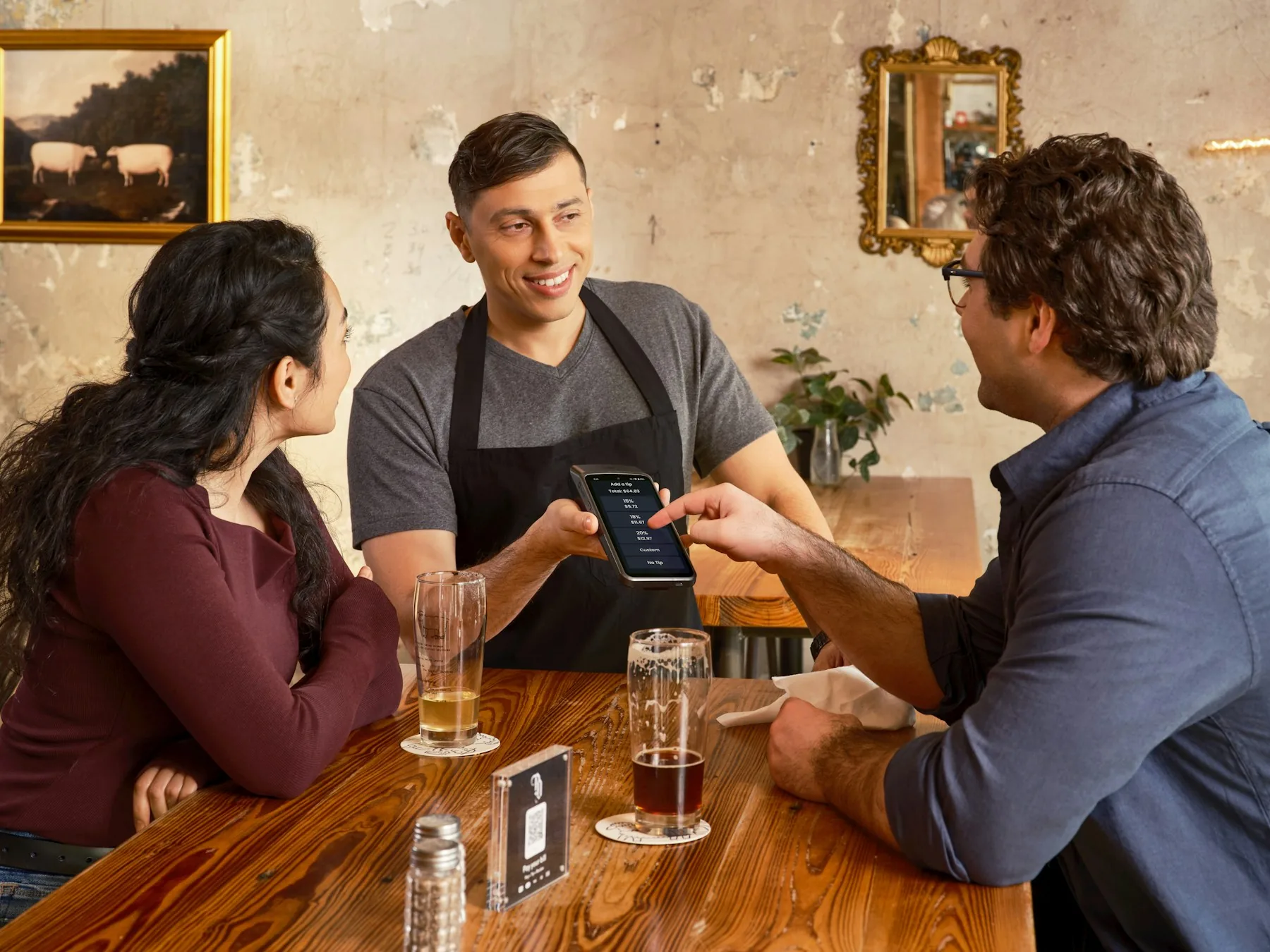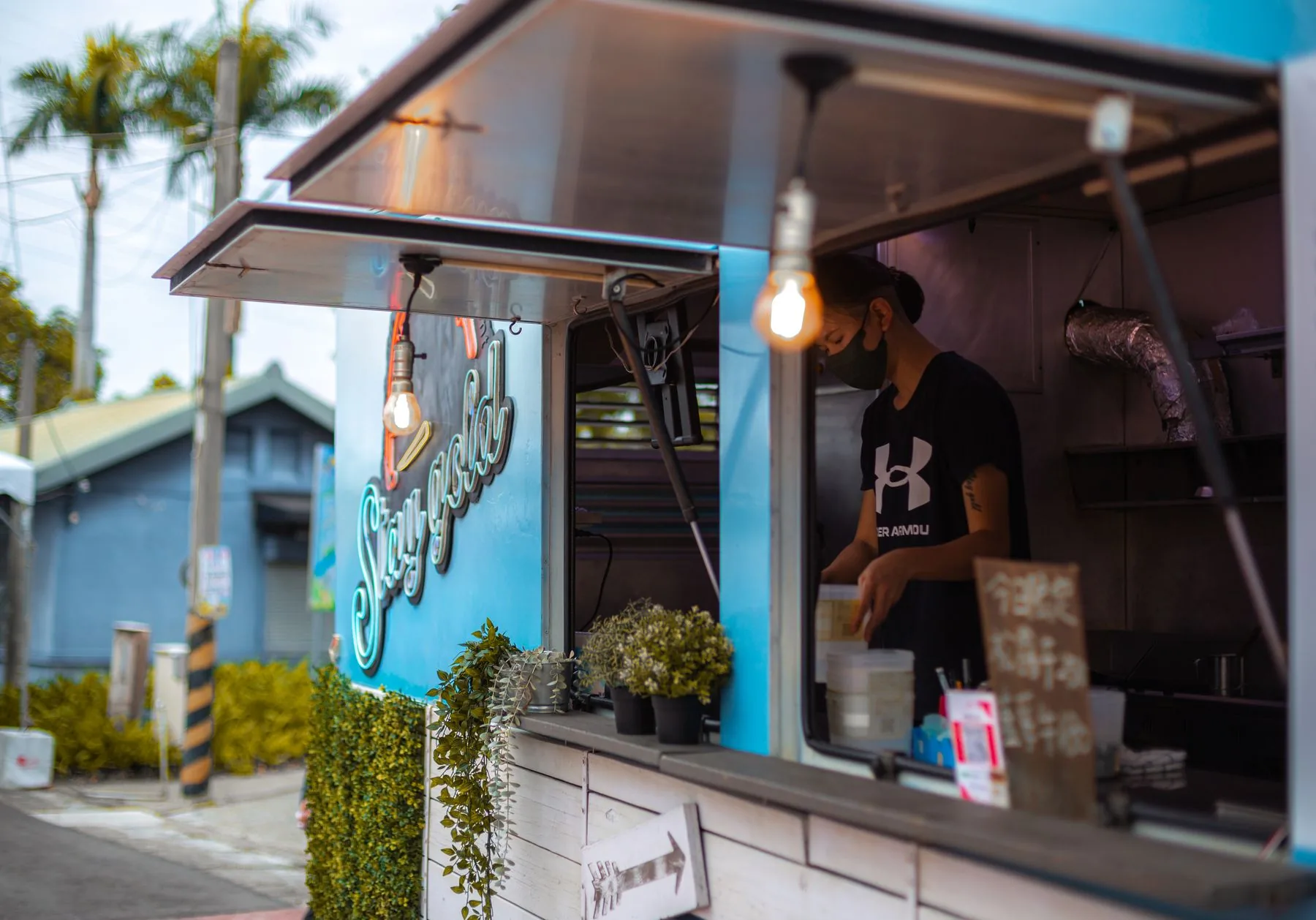
Fast food does not have to mean mass-produced food from an international chain. Today's food markets offer fresh pasta, dumplings folded in front of customers, regional specialities and burgers built around one highly specific cooking technique.
The format is quick and informal, yet often delivers a level of specialisation once associated mainly with restaurants.
The most important development, however, is not that street food looks good on social media. It is that a food stall can be used to test a restaurant concept with paying customers before investing in large premises, a long lease and a full organisation.
One strong product before an extensive menu
A traditional restaurant needs more than one good dish. The premises, interior, ventilation, dishwashing facilities, kitchen, service, booking system and staffing all have to be financed. At the same time, a restaurant is often expected to offer a menu that appeals to several types of customer.
A street food concept can start with a narrower focus:
- One clear core product
- A small number of variations using the same ingredients
- A simple production line
- A concise explanation that customers understand within seconds
- A price point that can be tested directly
This does not eliminate the risk. It makes the risk smaller and easier to measure.
The British street food organisation KERB even runs a development programme in which new businesses receive training and are tested in real markets. Its own impact reports show how a marketplace can act as a springboard to permanent restaurants and other models for growth. The figures are, of course, KERB's own, but there is a useful lesson in the model: training and market testing come before scaling.
What does the source say? In its 2025 Impact Report, KERB explains how it combines training, marketplaces and support for independent food businesses. This is an industry organisation reporting on its own activities, not an independent impact study, but it does document the development model itself.
Likes are not a market test
Friends will enjoy almost any tasting session. A viral post can create a weekend queue. Neither proves that the concept can become a healthy restaurant business.
At a food market, the idea faces the questions that genuinely matter:
Does the product make the right customers stop?
Do they understand it without a lengthy explanation?
Will they accept the price?
Can the kitchen keep up when ten orders arrive at once?
Which variations sell, and which merely add complexity?
Is there a sensible contribution margin after pitch fees, wages and ingredients?
Do customers return once the novelty has worn off?
That is the difference between attention and demand.
Visible preparation can market the product
The strongest street food concepts often feature an action that makes the product easier to understand and remember. The pasta is tossed in its sauce in front of the customer. The burger is pressed onto the griddle. The bread is warmed in the meat juices. The dumpling is folded at the counter.
This action can create value in three ways:
- It shows that the product is freshly prepared.
- It explains what sets the product apart from its competitors.
- It naturally creates material for photographs and short videos.
But food theatre only works when the action improves the food. If the result is mediocre, the visible process is a prop, not a restaurant concept.
HORESTA notes: In a member survey, 64 per cent of restaurants said that simple, high-quality food offering value for money would become more important. This supports the idea that one clear, well-executed product can be stronger than a large and complex range.
A small stall can still have poor economics
Street food is often romanticised as an easy route into the restaurant industry. A stall can nevertheless come under pressure from:
- High fixed pitch rent or turnover-based fees
- Long compulsory opening hours
- Internal competition for the same customers
- Limited control over the market's joint marketing
- Costs for a production kitchen, transport and storage
- Too many staff hours relative to sales
The test must therefore measure the economics, not merely the number of portions sold.
A practical testing model
At Gastroplan, we recommend testing a new restaurant concept within a clearly defined period:
Before the test
- Choose one core product and no more than a few clearly differentiated variations.
- Calculate ingredient costs and the contribution margin for each variation.
- Describe the product in one line that a first-time customer will understand.
- Set a realistic service time.
- Decide in advance which results will trigger the next investment.
During the test
- Record sales by product and time of day.
- Measure waiting time, errors, waste and staff hours.
- Note the questions customers ask before ordering.
- Track the rate of repeat visits, not just your reach on social media.
- Test the name, description, image and price one at a time.
After the test
- Remove products that create more work than value.
- Calculate realistic capacity for permanent premises.
- Determine whether demand follows the product or merely the marketplace's footfall.
- Scale only once both the product and the production flow have been proven.
Conclusion: Prove the idea before building the restaurant
High-quality street food has not removed the risks from the restaurant industry. It has made it possible to take one strong idea to market and get an honest answer from paying customers.
The right ambition is not to resemble a large restaurant in miniature. It is to use the small format to learn quickly: What will customers buy, what can the kitchen produce, and is there still a viable business once the initial excitement gives way to everyday trading?