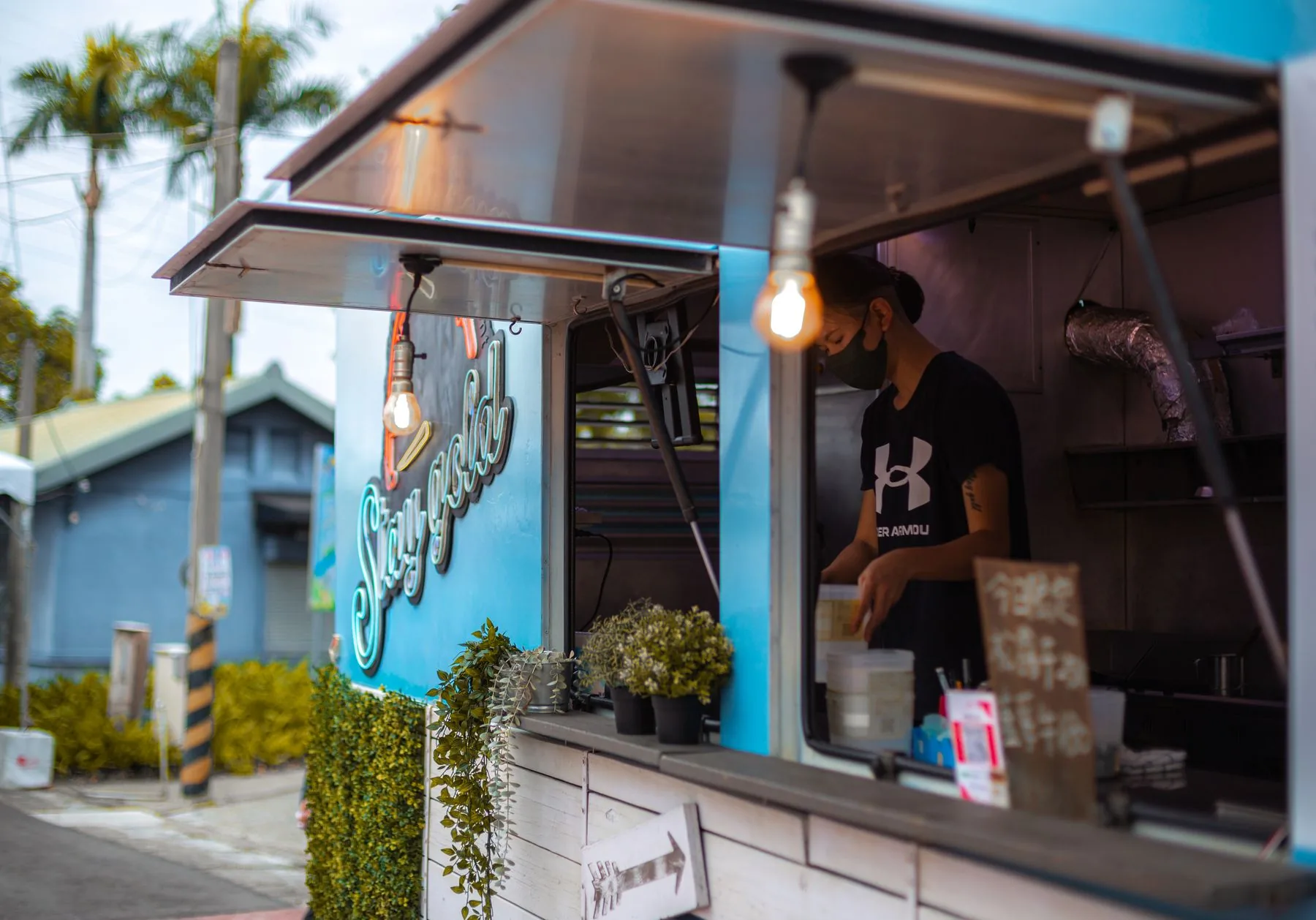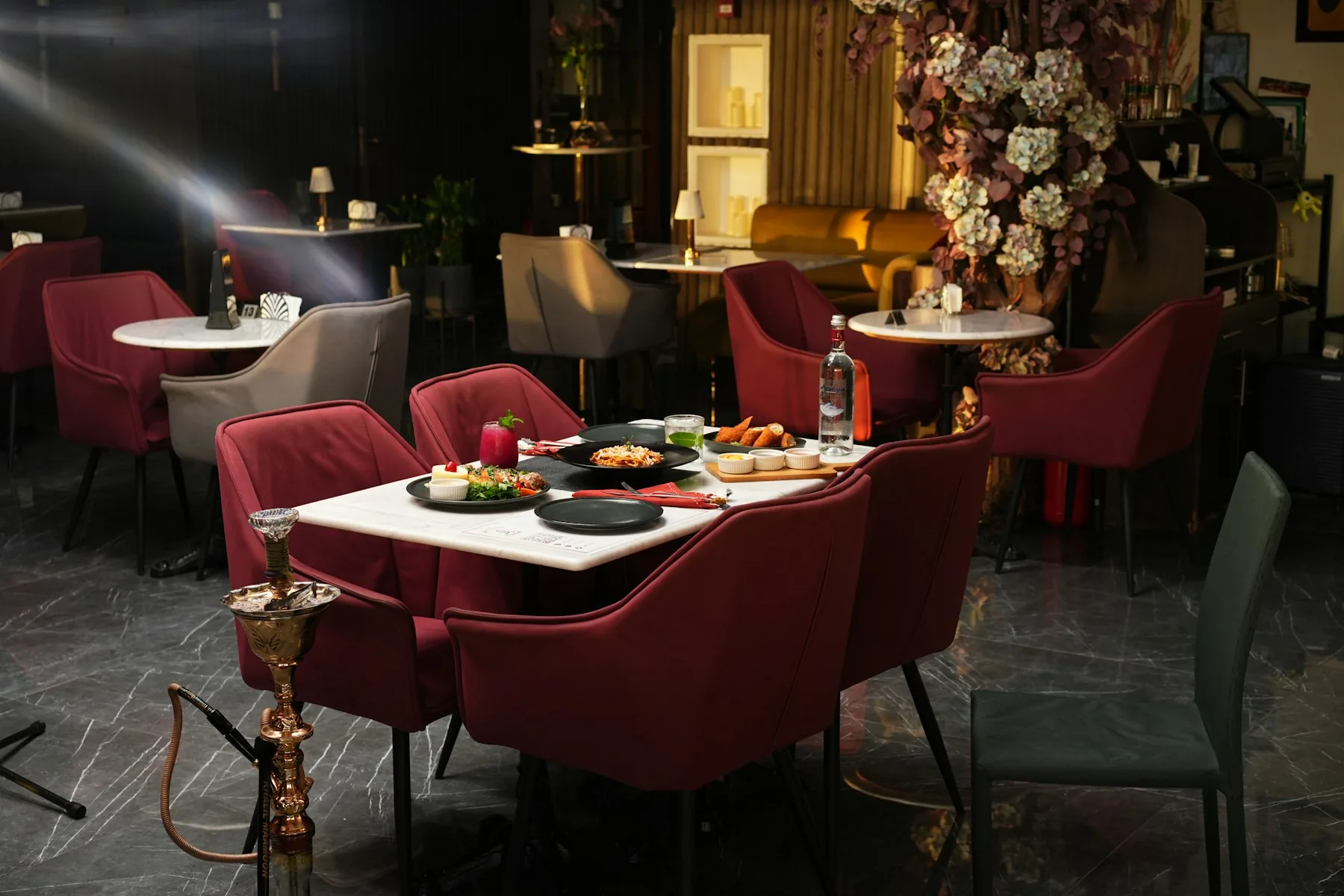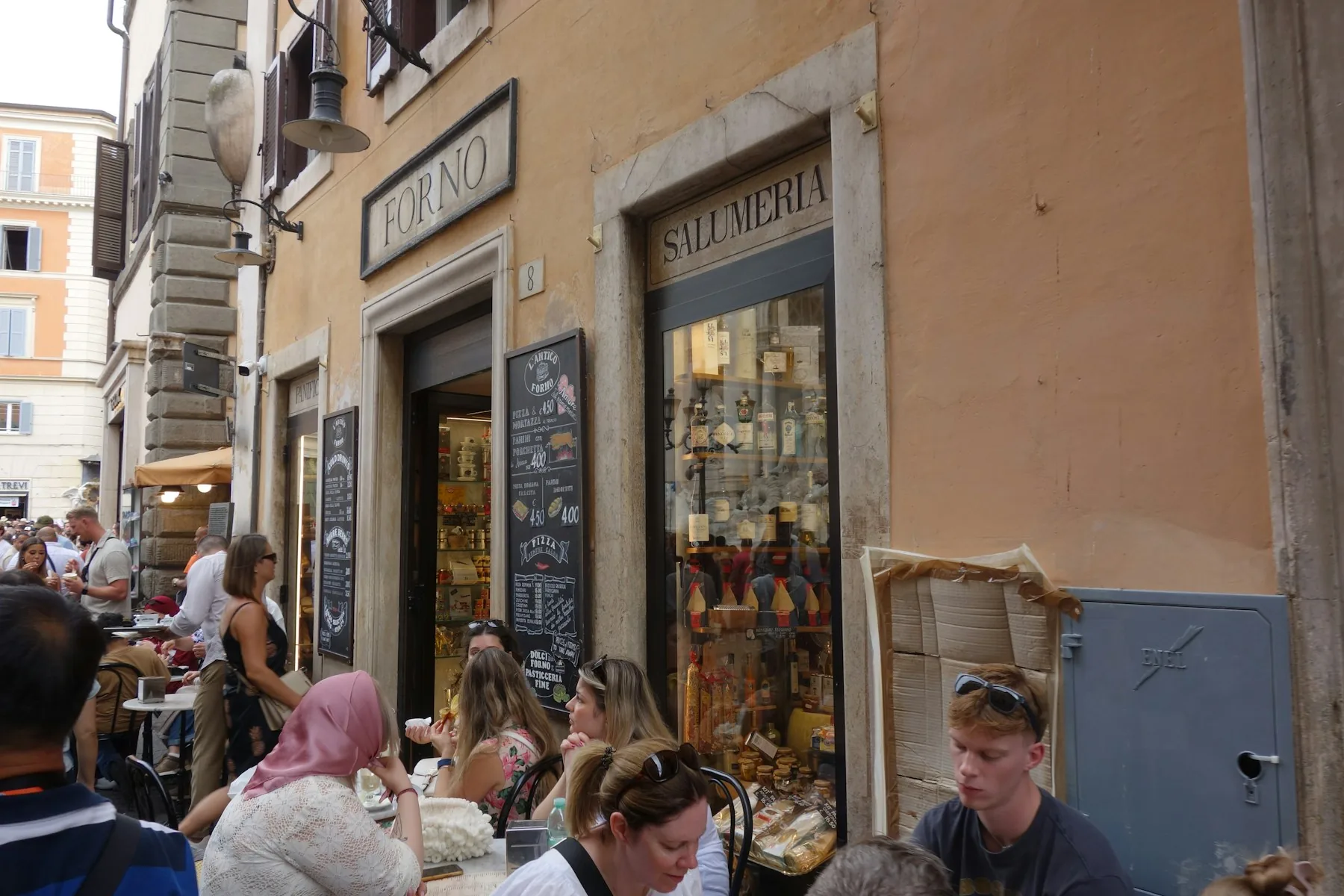
A busy street may be excellent for coffee and lunch but terrible for dinner. An inexpensive side street may be poor for impulse purchases yet perfect for delivery or a destination restaurant.
The relevant question is therefore not:
Is this a good location?
It is:
Is this location right for this particular product, price point, time of day and reason for buying?
Research into restaurant locations consistently points to more factors than the number of people passing by: demographics, traffic patterns, visibility, access, competition, costs and the specific restaurant concept.
A restaurant location study found: Researchers grouped the main decisions into six categories: general area, the position of the premises, demographics, traffic, competition and costs. Footfall is therefore only one part of the decision.
No restaurant is independent of its location
A destination restaurant does not necessarily need high footfall, but it still needs the right location. Customers must be able to find it, park or reach it by transport, and the product must be strong enough for them to choose the journey deliberately.
A delivery-first kitchen may prioritise low rent and quick access for couriers over an attractive frontage. A lunch restaurant has a greater need for the right people nearby on weekdays than for vibrant nightlife.
The need changes in character. It does not disappear.
Read the local area as a market
The restaurant should investigate who is in the area, why they are there and when they need food.
| Local area | Potential needs and products |
|---|---|
| Offices | Quick lunches, meeting catering, takeaway and corporate agreements |
| Embassies | Catering, receptions, discreet meetings and international dietary requirements |
| Schools and upper-secondary schools | Fast service, lower prices and afternoon sales |
| Parks | Coffee, ice cream, picnic products, takeaway and seasonal sales |
| Stations | Breakfast products, travel-friendly packaging and clear waiting times |
| Hospitals | Shift workers, visitors, long opening hours and different meal requirements |
| Residential areas | Repeat visits, evening meals, delivery and weekend trade |
| Nightlife districts | Late opening, high capacity and simple ordering |
| Gyms | Grab-and-go products, high-protein meals and drinks |
| Tourist attractions | An easy-to-understand product, several languages and high visibility |
These are hypotheses, not definitive answers. An upper-secondary school does not automatically create sales if pupils cannot leave the school or cannot afford the product. An embassy may be more valuable as a catering client than as a source of walk-in traffic.
Footfall is not the same as demand
Ten thousand passers-by are worthless if they:
- Do not see the restaurant
- Walk on the other side of the road
- Are rushing to catch a train
- Do not have time to stop
- Will not accept the price point
- Pass by when the restaurant is closed
Conversely, one thousand relevant people may be valuable if they have a specific need and few good alternatives.
The location analysis should distinguish between:
- Number of people
- Relevant traffic
- Purchase intention
- Conversion
- Repeat visits
The same address contains several markets
An area can change character throughout the day:
- Morning: commuters and coffee
- Lunch: employees, students and meetings
- Afternoon: shopping, snacks and takeaway
- Early evening: families
- Late evening: restaurant customers
- Night: nightlife and transport
The restaurant does not have to open all day. It needs to identify the periods when demand can pay for staffing and production.
An area with a strong lunch trade and a dead evening should not be forced to support a conventional dinner concept. Catering, an earlier closing time or a product local customers take home may be better answers.
Use the local area without trying to be everything to everyone
An existing restaurant can still develop demand in its local market:
- Lunch agreements with offices
- Catering for embassies and businesses
- Picnic packages for the park
- Pre-theatre meals for local performances
- Partnerships with hotels and tour guides
- Event menus
- Delivery to workplaces
- Opening hours aligned with actual traffic
But the restaurant must not try to solve every need at once. Cheap school lunches, embassy catering in the afternoon, family dinners in the evening and late-night food after midnight can produce a menu with no identity and an operation with no focus.
Choose the needs that match the restaurant's capabilities and can be met profitably. Ignore the rest.
A practical location analysis
Before signing a lease - or when diagnosing an existing restaurant - use the following process:
Map the catchment area within a 5-, 10- and 15-minute walk.
Map offices, schools, parks, hotels, stations, institutions and competitors.
Count relevant passers-by on several days and at different times.
Record direction, pace and dwell time, not merely the number of people.
Observe competitors' busy and quiet periods.
Speak with local employees, residents and businesses.
Test the product through a pop-up, delivery or catering.
Measure sales, average transaction value and contribution margin by time of day.
Compare realistic revenue with the rent.
Desk research must be combined with physical observation. A spreadsheet cannot show that all the commuters are hurrying past on the opposite side of the road.
Newer research uses multiple criteria: A study of casual-dining location selection considered factors including price, visibility, traffic patterns, competition, local development and the physical characteristics of the premises. The point is not to find a single magic number, but to assess the market, premises and concept together.
Conclusion: A location makes demand available
An address does not automatically create a business. It makes a particular volume and type of demand available.
The restaurant's task is to understand that demand, select the relevant part and build a product that can convert it into repeat purchases. There is no good location without a concept that suits it.